JM Blog

New School Year

New School Year

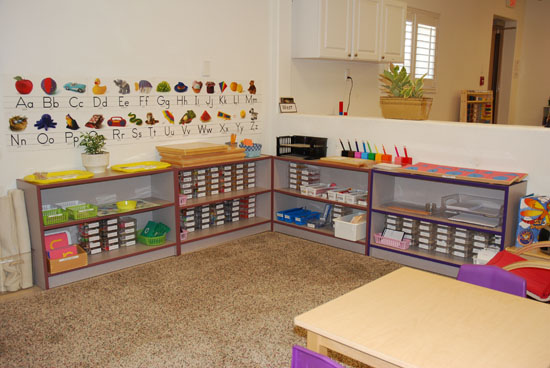
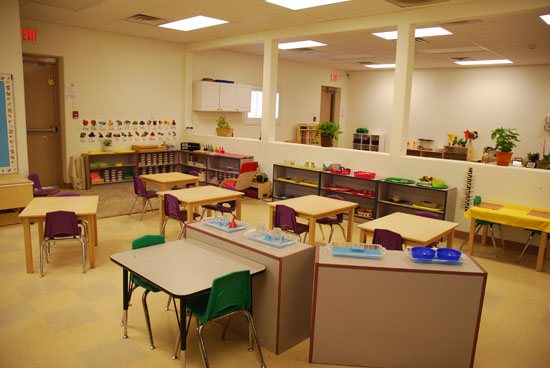
Many schools have begun the new school year and others start in September. Classroom routines, rules, and character education lessons are likely a part of your first weeks of school. Often lessons follow such as those involving living and non-living exercises, land-air-water exercises, and plant and animal ones. These types of lessons are the start of a good foundation to build on during the coming months.

May you all have a great start to your new school year! I will share some pictures of past years that include some of the lessons commonly presented during the beginning of the school year. These can be found in Weeks 1 and 2 and then Week 3 Day 1 in the curriculum pages.

Continue reading “New School Year” →
Farm Field Trip

Farm Field Trip

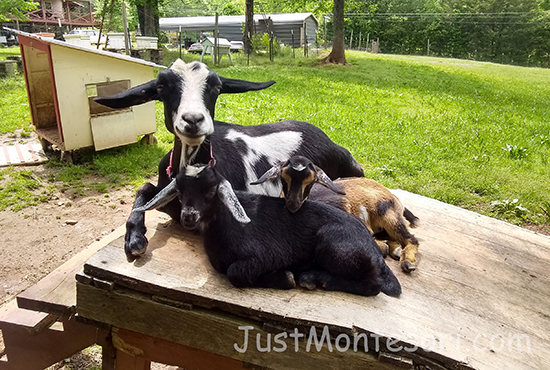
I first need to apologize for such delayed blog posts. We had a recent move, are building, things still in boxes, etc. I did however, have an opportunity recently to join a friend on her farm one morning for a field trip she was presenting for two homeschool families. If you have my Cultural Curriculum, lessons on farm and farm animals can be found in Week 32 Days 4 and 5.

Continue reading “Farm Field Trip” →
Getting Ready for Spring

Getting Ready for Spring

In just a few short weeks it will be the season of Spring in the northern hemisphere. There are so many things one can choose to do for springtime activities and lessons. I will share a few and perhaps you can began to prepare some now to share with the children at home or in the classroom.

Continue reading “Getting Ready for Spring” →
Winter Activities

Winter Activities

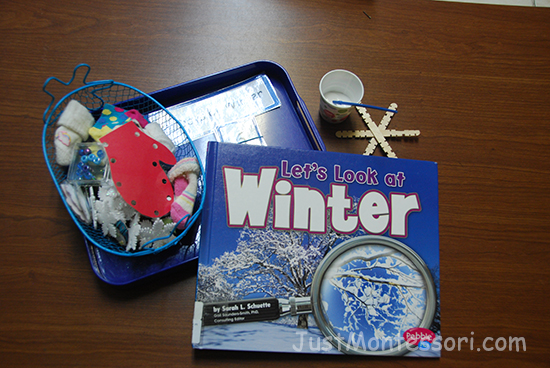
January is a great time to enjoy a variety of art activities that involve snow. Have a review of words that are related to winter. Cutting snowflake designs out of a coffee filter is always popular and making a snowflake magnet is fun too. Older children can make a winter word list, draw a winter picture and write about it, or make a booklet about winter.

Continue reading “Winter Activities” →
Africa

Africa

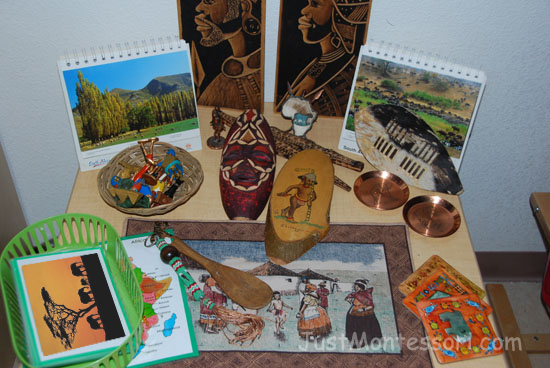
This month the continent of Africa is introduced. Up to this point North America and South America have been discussed. Children continue to stamp their ‘passports’ as each continent is introduced. A variety of lessons such as those on Egypt and the different biomes that make up Africa can be highlighted as you discover this continent over the coming weeks.

Continue reading “Africa” →
The Paper Orchestra

The Paper Orchestra

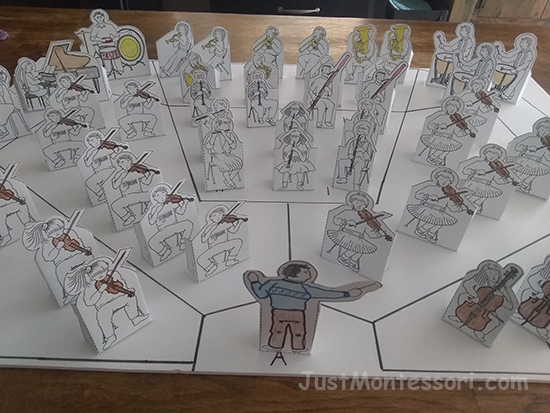
I am excited to share the recent paper orchestra I finally finished. Beginning around the twenty first week of school we begin to talk abut the orchestra. We discuss the kinds of instruments and names of those found in an orchestra. The types of instruments are broken into different lessons such as those focusing on string or brass instruments. Then we put them all together and discover how an orchestra is arranged.

Continue reading “The Paper Orchestra” →
Rain Forest Animals

Rain Forest Animals

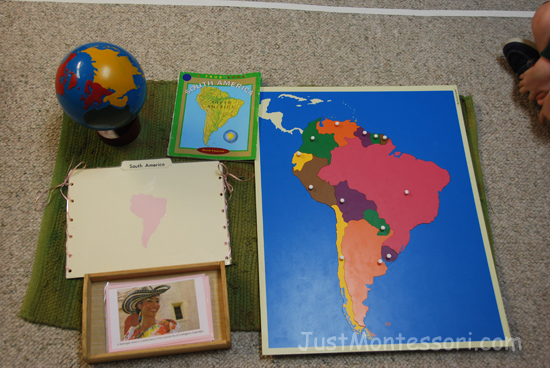
As this month continues with the continent of South America, it is an excellent time to talk about the rain forest. I introduce biomes in the coming weeks and include rain forests as a reminder of a biome already discussed. Learning about different animals and providing a variety of art activities on some of these animals are much enjoyed by children.

Continue reading “Rain Forest Animals” →
Birds

Birds

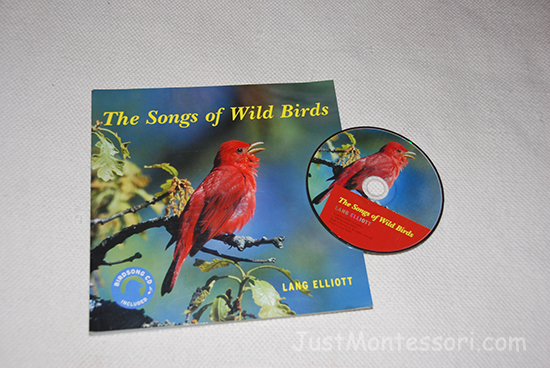
During this month vertebrates continue with lessons on birds. We learn that all birds have feathers. It is fun to discover that it is not flying that makes an animal a part of the bird vertebrate group, but it’s feathers. On different days a lesson will focus on various things about birds, such as bird songs, beaks, parts of a feather, and nests. Children can observe some bird nests on the zoology shelf using a magnifying glass as well.

Continue reading “Birds” →
Phonetic Reading Boxes

Phonetic Reading Boxes

The Montessori Language Program is designed for children to learn phonetically. Phonics is a reading method that allows a child to learn the sounds of letters by developing an understanding of how these sounds are used individually, in groups, and whole words. Phonetic instruction is the foundation of the Montessori Language Program. Once a child has mastered the sounds associated to each letter, they are introduced to the movable alphabet, which allows them to put letters together, sounding them out to spell simple, then progressively more complex, words.

Continue reading “Phonetic Reading Boxes” →